
Declaration of Interdependence
A call to action after the ID4 stormcells in Cville
~The Rockets Red Glare / The Storm Cells Micro-bursting in Air~
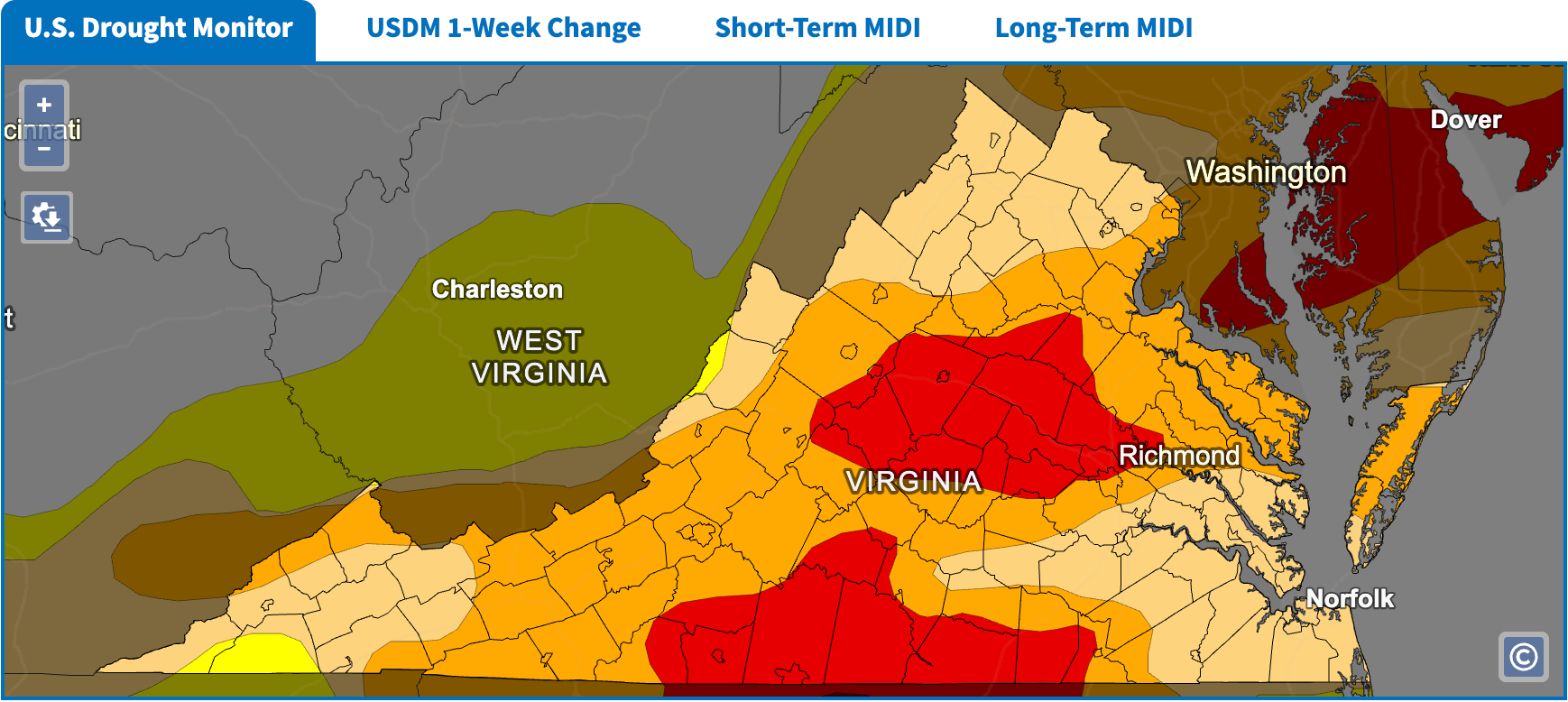
Virginia has experienced a harsh drought this year, as has a multitude of areas across the globe. As the pre-summer days passed with little-to-no precipitation, I expected we’d experience a pattern that I had observed over the last handful of years. When the rain would finally come, it would be in a fierce storm—torrential rain, hurricane-like gusts, and flashbang crashes of thunder.
Saturday night, the extreme weather finally hit. Almost immediately, fire and ambulance siren started to blare, and on BlueSky, neighbors threaded together notices of hazards that were popping up: downed trees, housefires, outside fires, and the like.
Inevitably, our power snapped. It seemed that the whole city’s did this time. I was nonchalant about it. The storm, I thought, would finish its dump in relatively short order, and with our proximity to the hospital, we’d be back online in no time. The only time it hadn’t worked out that way was two winters ago when a tree fell to frostbite and buckled over a power line. As for now, I would enjoy reading, having rediscovered the still silence that emerges when the hums of fans cease.
When I went to sleep, Dominion estimated that the line would be repaired by midnight. At some point, I stirred. I hadn’t woken up to lights popping back on as I had anticipated, so I checked my phone. The estimated repair time had changed to “Reassessing the situation.”
A few hours later, I rose again and got out of bed. Soon, I made my way up the street and saw this:
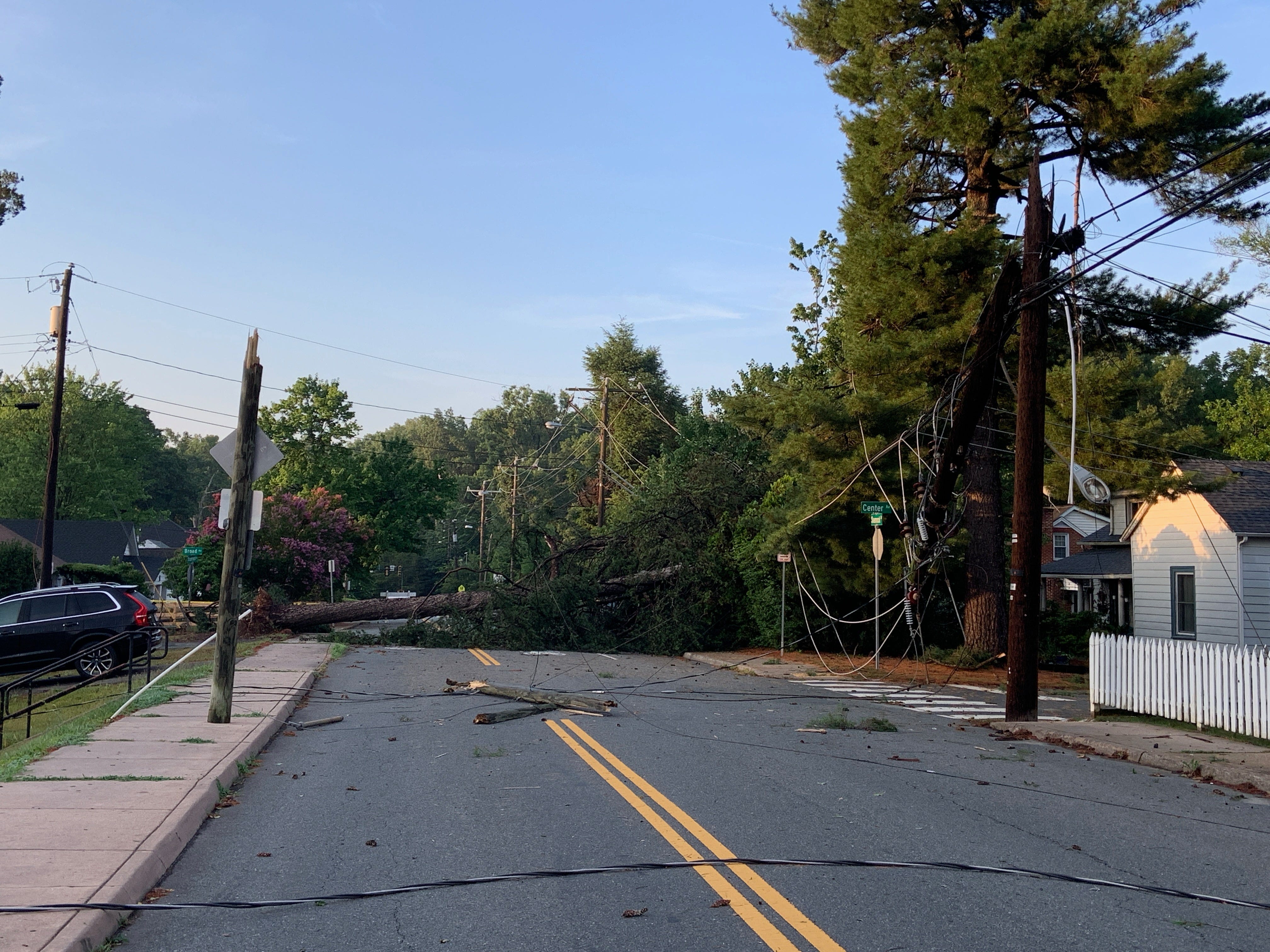
During that winter incident, to my memory, the tree had snapped lines but not an entire pole. How long would this take? I started thinking about what we should do. I was most concerned about our food going to waste. But, we would be fine. We had plenty of options. Still, at breakfast, I fell mostly silent. I couldn’t shake the feeling that this incident had shoved the truth in my face. Louder than ever, it screamed at me: as individuals and as society, we are unprepared for climate change. Not for just what it will bring in the future, but for what it is bringing down upon us in the present.
Preppers of the World, Unite!
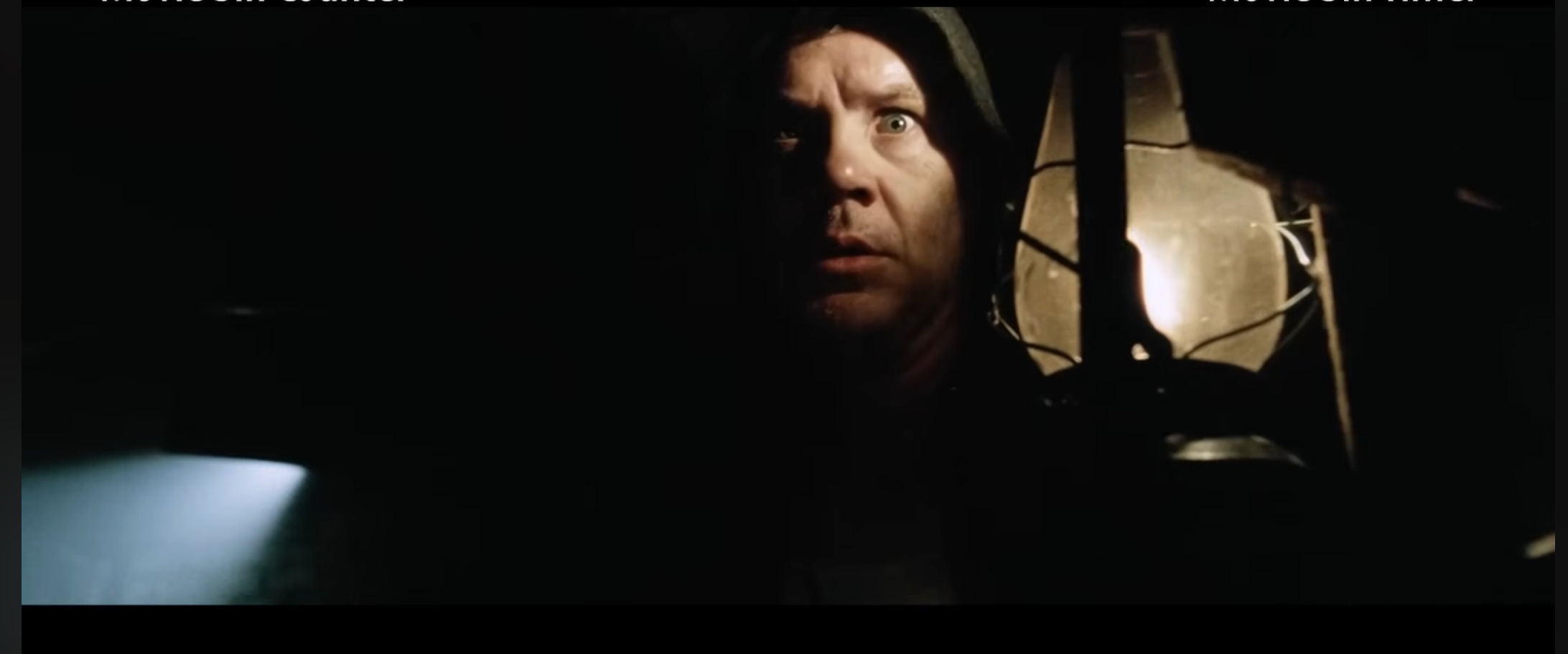
In the past, if I heard or saw something about prepping, that one guy from War of the Worlds would always come to mind. Thinking on it, I’m not sure if he was actually a prepper, but he was crazy. Preppers are crazy. That’s always the takeaway from popular depictions of preppers.
Climate change, rising global fascism, and Jen’s realism had already changed my view on prepping to a certain degree. All in all, we’ve done some very minor things that, especially compared to having done nothing, felt like it would keep us afloat.
But when I saw that utility pole, I realized that our minor moves haven’t been enough. The holes in our prep are major—that feel far from optional given that this is the coolest summer of the rest of our lives and given that these extreme weather events will obliterate our crumbling infrastructure with increasing frequency. We had no good way to preserve our food. We had some small headlamps and flashlights, but no substantial light source, and only one that didn’t run on electricity. We had no good way to keep us and our dog cool. We went out in the morning to fill a couple of these gaps, but the shock lingers.
As the severity of the climate crisis escalates, it will unforgivingly reveal the fragility of our privileged society and the myth of the merits of “rugged individualism.” That which we take for granted in our imperial mode of living will collapse, and if we’re not careful and don’t act with haste, we will be caught flatfooted before we know it.
However, even if prepping isn’t as crazy as it once seemed, each one of us will end up like the guy in War of the Worlds unless we commit to making drastic—though extremely positive!—changes in our society and our relationships with one another.
The Community that Glows Together, Degrows Together
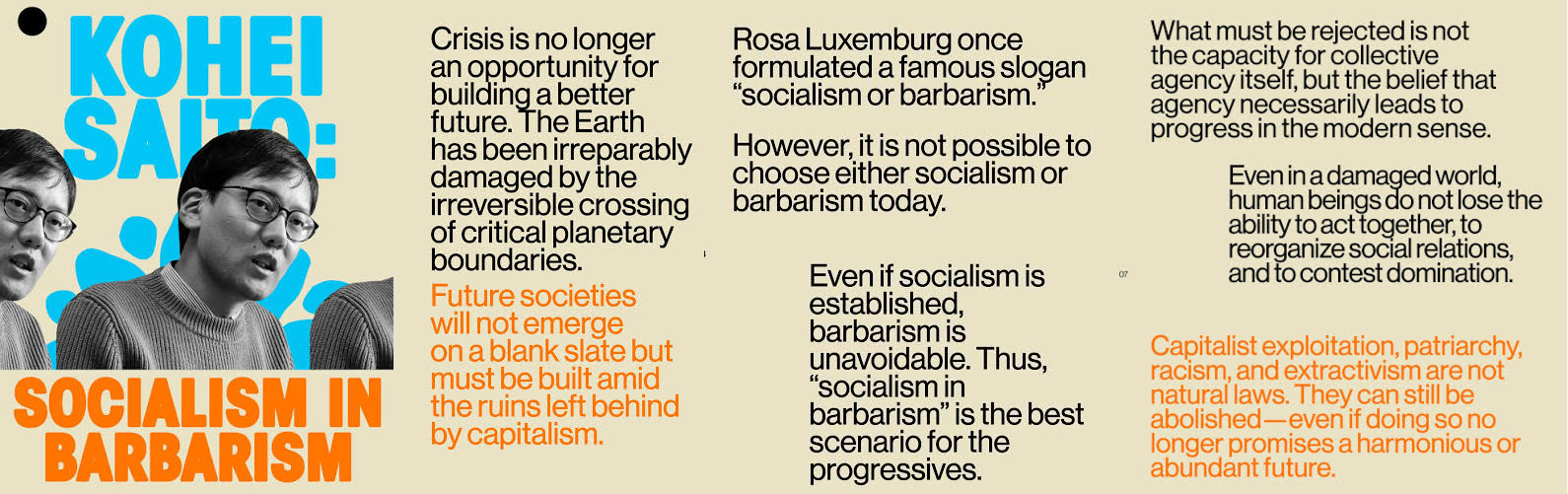
I recently finished Japanese anthropologist Kohei Saito’s book Slow Down: The Degrowth Manifesto. This book exploded when it was first published in 2020, and it was probably around that time when I first connected with degrowth as a concept, despite Jen and me having naturally gravitated towards many of degrowth’s conclusions on our own. Still, it took me a while to sit down with Saito’s work.
In it, Saito preaches the essentialism of working towards degrowth communism, or, succinctly put, a democratic, worker-controlled society whose social relations are based on a return of the means of production to the commons.
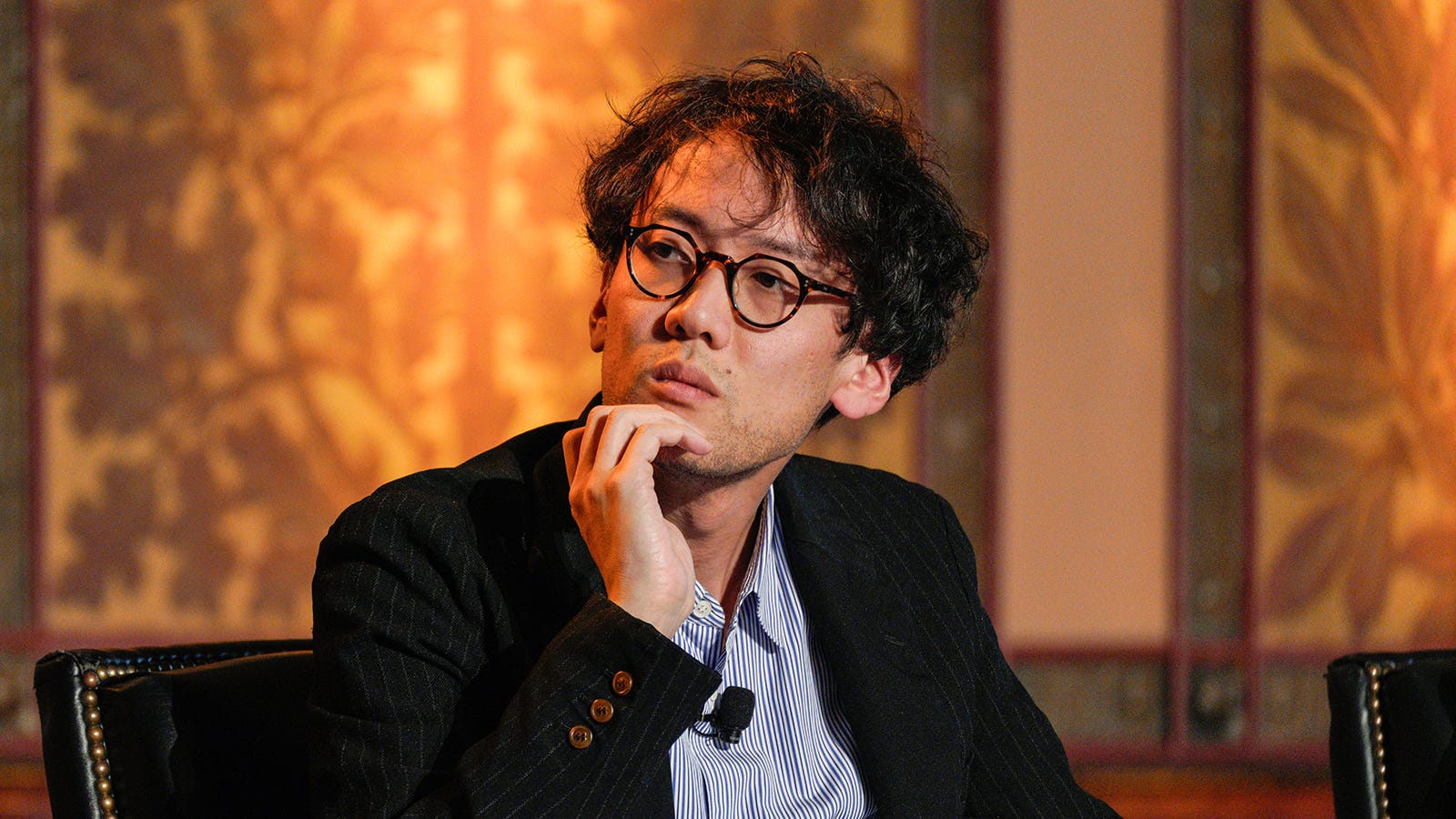
Saito believed (at least at the time—where he once stated “degrowth communism or barbarism,” he has recently shifted his slogan to “socialism in barbarism”) that we can start building such a society right now through organizing small cells in our own communities that adhere to moving towards exuding certain values and modes of living. I may not share in his optimism that doing so will result in a world communist revolution springing forth and eating capitalism from within on its own, but I do believe in its necessity, regardless.
I saw a post on BlueSky that featured the tree in question having fallen rather early on in the storm. The poster assessed that while they had a chainsaw, they had better not touch anything going on there. Good assessment! Better to wait and let Dominion take care of the situation. Dominion’s electricians have the knowhow to do so, and one person jumping in there preemptively to try to help in that kind of scenario could have unintended consequences.
Yet, isn’t there a better option than both citizen electrical adventurists and reliance on an electrical, exploitative capitalist kraken?
Instead of the poster being alone, and the rest of us sitting around as alienated individuals waiting for our beloved utility monopoly to rescue us from a blackout, what could we collectively have done? Saito may have a lot to say on the subject, and I’ll try to channel him in my own thoughts.
We actually don’t need Dominion. We need the workers at Dominion—their skills, knowledge. We only rely on Dominion the corporation because they are our sole option for an electric utility. What if Dominion disappeared? Instead of a for-profit monopoly controlling our grid, we could have a public one that we residents all own and democratically operate. The latter could result in, for example, moving our power lines underground (which Dominion won’t do); setting favorable rates for all; and adapting our power generation and consumption to sustainable methods, as well as methods that selfishly exploit the global south.
We would, of course, need to develop the skills necessary to build, operate, and maintain the grid. This development would have huge upsides, resulting in jobs for those currently unemployed, as well as opportunities for those who wish to move from a “bullshit job” that exists only for capitalists to exploit them for personal gain, planet be damned, into a job where they play directly benefit themselves and those around them. We would also need to embark in mass education campaigns in order for our collective policy decisions to move in the direction of climate justice rather than climate fascism.
Further, communities can build their own emergency response plans of action. If we were better organized, those we know with the skills necessary could have assessed the scene around the fallen tree. Then, upon determining a safe plan of action, the neighborhood could have mobilized to clear the tree and make way for those in our public utility to replace the pole. In the meantime, community members could support the linemen with food and water, as well as disposal of debris.
There’s a role for everyone in this kind of society, and this sort of response would ensure that the most vulnerable among us wouldn’t be caught in a desperate situation due to the power failure. Moreover, we could develop trusting, supportive relationships with one another through reliance on neighborhood networks versus hunkering down in our own spaces and scrounging the internet or social media (mind you, mediums that require electricity to access) for updates.
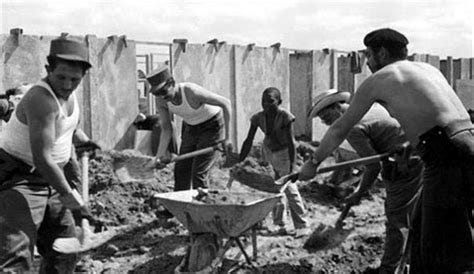
Of course, I’m reminded of Cuba and the revolutionary solidarity that has kept the Cuban people resilient in the face of the U.S. having imposed a blockade on them for over six decades. This resilience is especially salient now as the U.S. has blockaded all oil from reaching the island for months, resulting in blackouts for the majority of each day.
I started to dread after 12 hours! But they’re able to continue on due to their socialist society having completely different values. They prioritize care for one another. They develop skills such that they are able to work together to come up with creative solutions to problems under the blockade instead of collapsing into a chaotic abyss. Not to mention, Cuba’s state-managed emergency disaster relief plan mobilizes not only state forces, but all the people in communities affected to limit loss of life and rebuild what is destroyed.
Like any other project that goes against the grain of how we’re conditioned to live under capitalism, building “radical” communal social relations in our neighborhood is a project that takes time, care, and commitment. Yet, it usually starts modestly and just needs a push to get started.
For our own part, we’ve been able to establish a baseline, and it showed during the storm. Some neighbors offered for us to come cool off and use the freezer at their places while the power was out. Others had dipped when their lines went down, and we relayed when they were good to come back. Still others were out of town and messaged simply to check in.
To some degree those sorts of things feel very basic, and I think that’s because, growing up, those were sorts of relations that my parents had with their neighbors. It felt like they were natural rather than the result of effort. Of course, they actually weren’t! And furthermore, the advanced alienation that capitalism thrusts upon our lives as they become increasingly digital makes what should be natural relations all the harder to establish and maintain. Even what may seem elementary in this realm requires work!
Unlike my parents (ha), we are thinking beyond those basics and actively considering how to develop our communities towards having revolutionary social relations. I beseech you to do the same and to take action. We aim to embark on some new projects in this realm soon that I’ll be happy to share when the time is right, and I would love to hear about your struggles and triumphs.
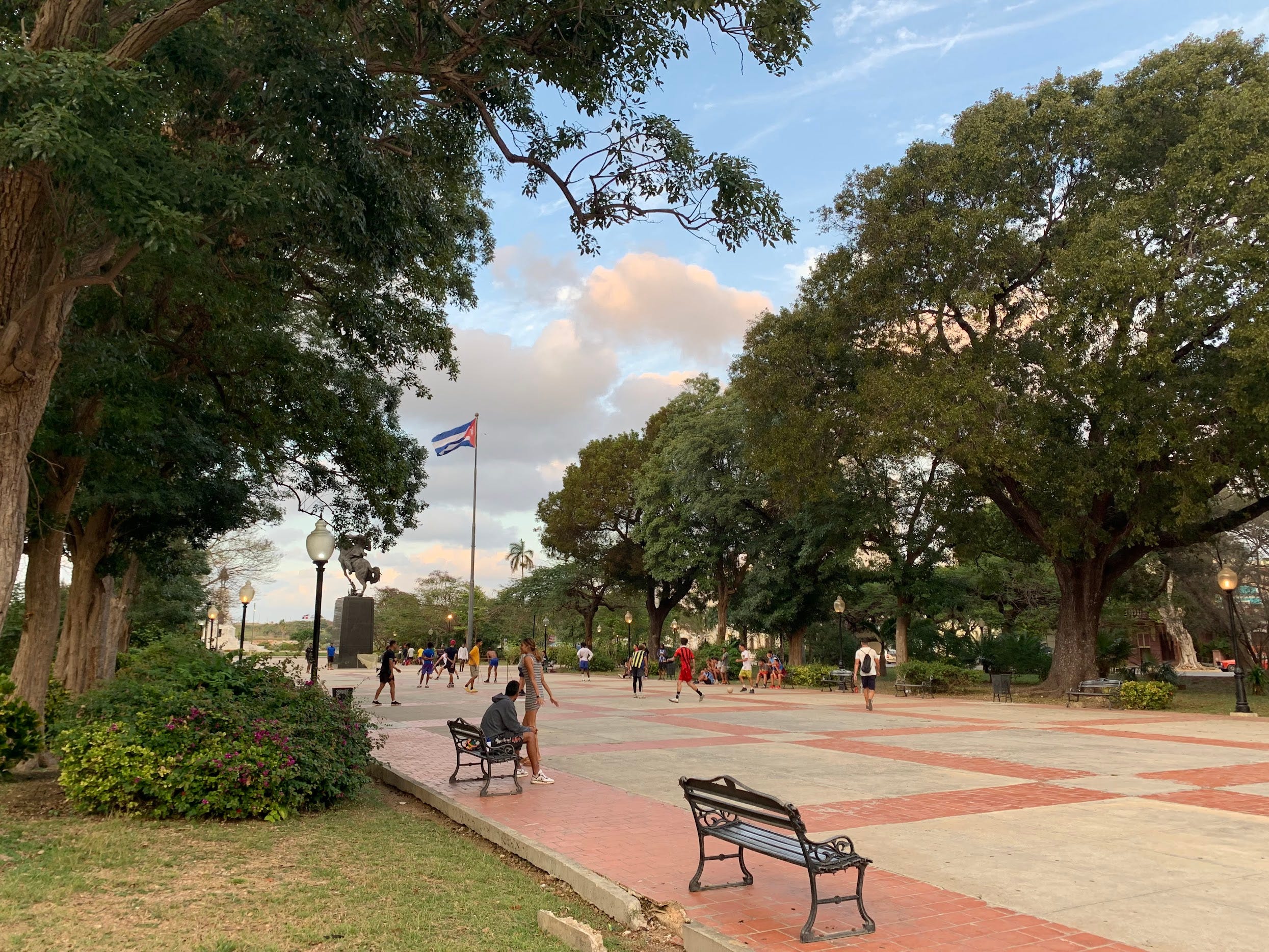
Overhauling our society is a Herculean task that takes time and takes focusing on long-term goals. It’s an intimidating endeavour.
Yet, degrowth is coming whether we like it or not.
The question is: Can we discipline ourselves to prioritize figuring out how to organize as communities to slow down, fight climate change in a way that dismantles capitalism (the only viable path), and responding to disasters as a dedication to one another? Or, will climate change force degrowth by destroying all that we’ve built, sending our society into a barbaric frenzy of desperation?
The choice—the power—is ours.
Venceremos,
Greg

A major motivation for my focus on local organizing, instead of anything much larger than that, is because I see it as essential preparation for dealing with inevitable climate-induced disasters (small and large). As you note, we can start building a post-carbon-society today, there's no need to wait until it's essential for survival.